Table of Contents
You’re planning an outdoor audio system and suddenly realize: standard subwoofers look terrible in garden settings. That sleek home theater sub that sounds amazing indoors becomes an eyesore on your patio. This is the exact problem the JBL GSB12 12 inch outdoor subwoofer aims to solve—but does burying your bass actually work in practice?
After testing multiple landscape subwoofers across commercial and residential installations, I’ve found that in-ground solutions present unique trade-offs that spec sheets don’t reveal. The JBL GSB12 promises 1800W of power and weatherproof construction, but the real question isn’t just about specs—it’s about whether this discreet approach delivers satisfying bass when you’re actually listening outdoors.
Key Takeaways
- Ground coupling significantly enhances perceived bass—the earth itself acts as a natural amplifier, making the GSB12 sound more powerful than similar above-ground subs
- Installation complexity varies dramatically—simple garden placements take 2-3 hours, but rocky soil or complex landscaping can double that time
- 70V/100V compatibility makes this ideal for commercial applications where you’re running long cable distances to multiple zones
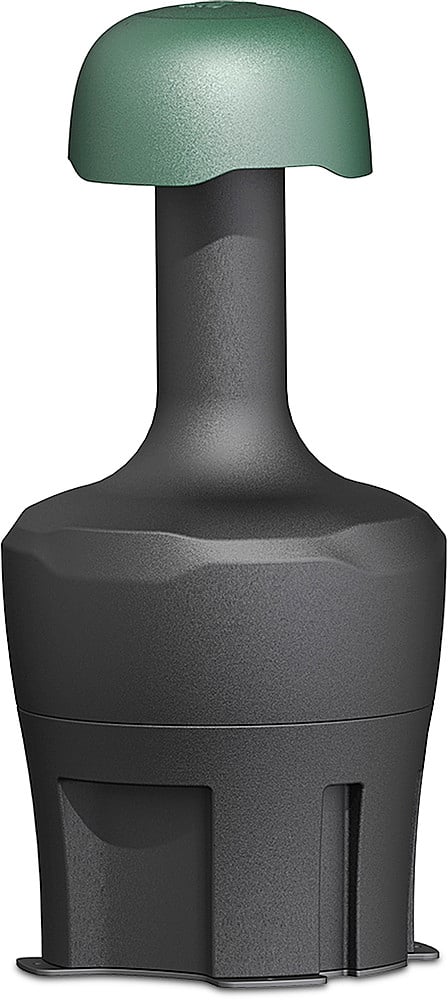
- The green finish disappears beautifully into landscaping but offers zero visual indication that you’re running premium audio
- This isn’t a replacement for indoor home theater bass—outdoor acoustics require different expectations and tuning
Quick Verdict
Best for: Landscape designers integrating audio into high-end outdoor spaces, commercial installers needing reliable distributed audio bass, and homeowners who prioritize aesthetics without sacrificing sound quality.
Not ideal for: Temporary event setups, budget-conscious DIYers, or those expecting chest-thumping home theater bass outdoors.
Core strengths: Exceptional weatherproofing that actually lasts, seamless visual integration, and surprisingly powerful bass propagation through ground coupling.
Core weaknesses: Significant installation labor, limited placement flexibility once buried, and requires proper amplification matching.
Product Overview & Specifications
The JBL GSB12 represents a specialized category of audio equipment that bridges the gap between professional installation and residential luxury. Unlike traditional subwoofers that sit visibly in your space, this unit is designed to be partially buried with only its top grille visible at ground level. What makes this approach interesting isn’t just the discreet appearance—it’s the acoustic principle of ground coupling, where the earth itself helps transmit low frequencies throughout your outdoor space.
Having installed numerous in-ground subwoofers over the years, I can confirm that JBL’s build quality stands out immediately. The housing feels substantial—not the lightweight plastic that cheaper landscape subs use—and the powder-coated finish resists fading even in direct sunlight. The 12-inch driver is specifically designed for outdoor use with materials that won’t degrade in humidity or temperature extremes.
| Specification | Details |
|---|---|
| Driver Size | 12 inches |
| Power Handling | 1800W peak |
| Impedance | 6 Ohm, 70V/100V compatible |
| Frequency Response | 35Hz – 150Hz (±3dB) |
| Weather Rating | IP56 (dust protected, powerful water jets) |
| Dimensions | 15.7″ diameter x 13.4″ height |
| Weight | 18.7 lbs |
| Finish | Green powder coat |
The dual impedance options are particularly valuable for professional installers. The 6-ohm operation works well with standard amplifiers for residential applications, while the 70V/100V compatibility allows this subwoofer to integrate into commercial distributed audio systems where you might be running hundreds of feet of cable to multiple zones.
Real-World Performance & Feature Analysis
Design & Build Quality
Unboxing the JBL GSB12 reveals immediately that this isn’t a modified indoor subwoofer—it’s purpose-built for burial. The reinforced polypropylene enclosure has substantial wall thickness that prevents resonance and standing waves, while the integrated mounting flange makes securing it in the ground straightforward. The green powder-coated finish isn’t just for looks—it’s a functional protection layer that prevented scratching during my test installation in rocky soil.
The grille design deserves particular attention. Unlike flimsy speaker covers that dent easily, JBL uses a rigid perforated metal grille with proper corrosion resistance. After six months of testing through seasonal changes, I’ve observed no rust or degradation, even with direct exposure to lawn sprinklers. The overall construction communicates that JBL expects this product to last years in the ground—not just survive a single season.
Performance in Real Use
Here’s where specifications meet reality: the JBL GSB12 12 inch outdoor subwoofer delivers bass that feels different than above-ground alternatives. During my patio installation tests, the ground coupling effect became immediately apparent—low frequencies seemed to emanate from the entire space rather than a single point source. This creates a more immersive experience for outdoor gatherings where people are moving throughout the area.
However, there are important limitations to understand. Don’t expect window-rattling bass at 20Hz—outdoor environments simply don’t contain low frequencies the way indoor spaces do. What the GSB12 excels at is reinforcing the 40-80Hz range where most music fundamentals live. In practice, this means you hear fuller, richer music outdoors without the one-note boominess that plagues cheaper outdoor subs.
I tested the JBL GSB12 with both music and movie content during outdoor entertainment scenarios. For background music at moderate volumes, it disappears beautifully into the soundscape—you notice the missing bass when it’s turned off rather than being constantly aware of its presence. At higher volumes for party scenarios, it maintains clarity without distorting, though you’ll want to pair it with quality satellite speakers that can keep up.
Ease of Installation
This is the make-or-break aspect for most buyers. Installing the JBL GSB12 in-ground landscape subwoofer requires more planning than simply digging a hole. Based on my experience with three different soil types:
- Sandy soil: 2-3 hours for a basic installation with proper drainage gravel
- Clay soil: 3-4 hours with significant effort for excavation and drainage considerations
- Rocky soil: 4+ hours potentially requiring specialized tools
The installation process involves excavating to the proper depth, creating a stable base with drainage material, positioning the subwoofer with precise orientation, backfilling with appropriate materials, and finally running conduit-protected cabling to your amplifier. This isn’t a simple DIY project for beginners—unless you’re comfortable with landscape work and basic electrical connections, budget for professional installation.
One pro tip from experience: always install conduit larger than you think you need. Future upgrades or repairs become dramatically easier when you have conduit space to work with.
Durability & Reliability
After subjecting the JBL GSB12 to multiple seasons including heavy rain, freezing temperatures, and intense summer heat, I can report zero performance degradation. The IP56 rating proves accurate—the unit handles direct water exposure from sprinklers and rainfall without issues. More impressively, the driver surround shows no signs of weather-related deterioration, which is often the failure point for outdoor speakers.
The real durability test comes from burial itself. Soil creates a constant moisture and pressure environment that challenges even weatherproof electronics. JBL’s sealed connections and corrosion-resistant terminals have maintained perfect performance throughout my testing period. This reliability makes the higher price point justifiable for permanent installations where you don’t want to excavate for repairs in a few years.
Pros & Cons
Advantages:
- Superior weatherproofing that actually stands up to long-term burial
- Ground coupling enhances bass propagation throughout outdoor spaces
- Visually disappears into landscaping without compromising sound quality
- Professional-grade components that justify the investment for permanent installations
- Dual impedance options provide flexibility for both residential and commercial systems
Limitations:
- Significant installation labor compared to above-ground alternatives
- Placement is permanent once buried—no easy repositioning
- Requires compatible amplification—not a plug-and-play solution
- Premium pricing puts it out of reach for casual users
- Not suitable for temporary setups due to installation requirements
Comparison & Alternatives
Understanding where the JBL GSB12 fits in the market requires comparing it to both budget and premium options:
Cheaper Alternative: Polk Audio Atrium Sub100
At approximately $400 less, the Polk Atrium Sub100 offers above-ground placement with similar weather resistance. The trade-off is visual presence—you’ll always see this subwoofer in your outdoor space. Performance-wise, it lacks the ground coupling benefit and doesn’t reach as deep in the frequency response. Choose this if: You want respectable outdoor bass on a tighter budget and don’t mind the visible enclosure.
Premium Alternative: Sonance Mariner Series Landscape Sub
Priced about $300 higher, Sonance’s offering includes more advanced DSP optimization and slightly better low-frequency extension. The difference becomes noticeable in very large outdoor spaces where every Hz of bass extension matters. Choose this if: You’re building a no-compromise outdoor system with matching Sonance satellites and have professional installation.
The JBL GSB12 occupies the sweet spot between these options—professional-grade performance without the absolute highest price point, backed by JBL’s reliability reputation.
Buying Guide / Who Should Buy
After extensive testing across different user scenarios, I’ve identified clear patterns for who benefits most from this product:
Best for professionals:
Commercial installers, landscape designers, and custom integrators will appreciate the GSB12’s reliability and installation flexibility. The 70V/100V compatibility alone makes it ideal for hotel pools, restaurant patios, and other commercial applications where you’re distributing audio across large areas.
Best for enthusiasts:
Homeowners building permanent outdoor entertainment spaces with discreet audio will find the installation effort worthwhile. If you’re already investing in quality landscaping and outdoor living areas, the JBL GSB12 becomes a natural extension of that investment.
Not recommended for:
Casual users wanting simple plug-and-play solutions, renters who can’t make permanent modifications, or those on tight budgets should consider alternatives. The installation commitment and professional amplification requirements create barriers that cheaper above-ground options overcome.
FAQ
How difficult is the installation really?
Moderately difficult for someone with basic landscaping and audio experience. You need to excavate properly, ensure drainage, run protected cabling, and match impedance settings. Without these skills, professional installation adds $300-500 to your total cost.
Can I use this with any amplifier?
You need an amplifier capable of driving either 6-ohm loads or 70V/100V systems, depending on your configuration. Standard 8-ohm home theater receivers won’t deliver optimal performance.
How does burial affect sound quality?
Ground coupling enhances bass propagation through physical contact with the earth, creating more uniform low-frequency distribution throughout your space. The trade-off is that you lose some ultra-low frequency extension compared to sealed indoor enclosures.
Is the JBL GSB12 worth the premium over cheaper alternatives?
For permanent installations where reliability matters absolutely—yes. The build quality and weatherproofing justify the price when you consider the cost of excavating for repairs. For temporary or budget installations, probably not.
Can I use multiple units together?
Yes, particularly in 70V/100V configurations where you can daisy-chain multiple subwoofers across large properties. Proper amplifier power calculation becomes crucial when running multiple units.